
Guide
What Actually Happens When We Come Out to Your Door
A look at what a real garage door service call covers in Ashland, KY, where most houses date to the 1956-1979 build era and winters run cold and hard on hardware.
Local detail
When Waiting Is Fine
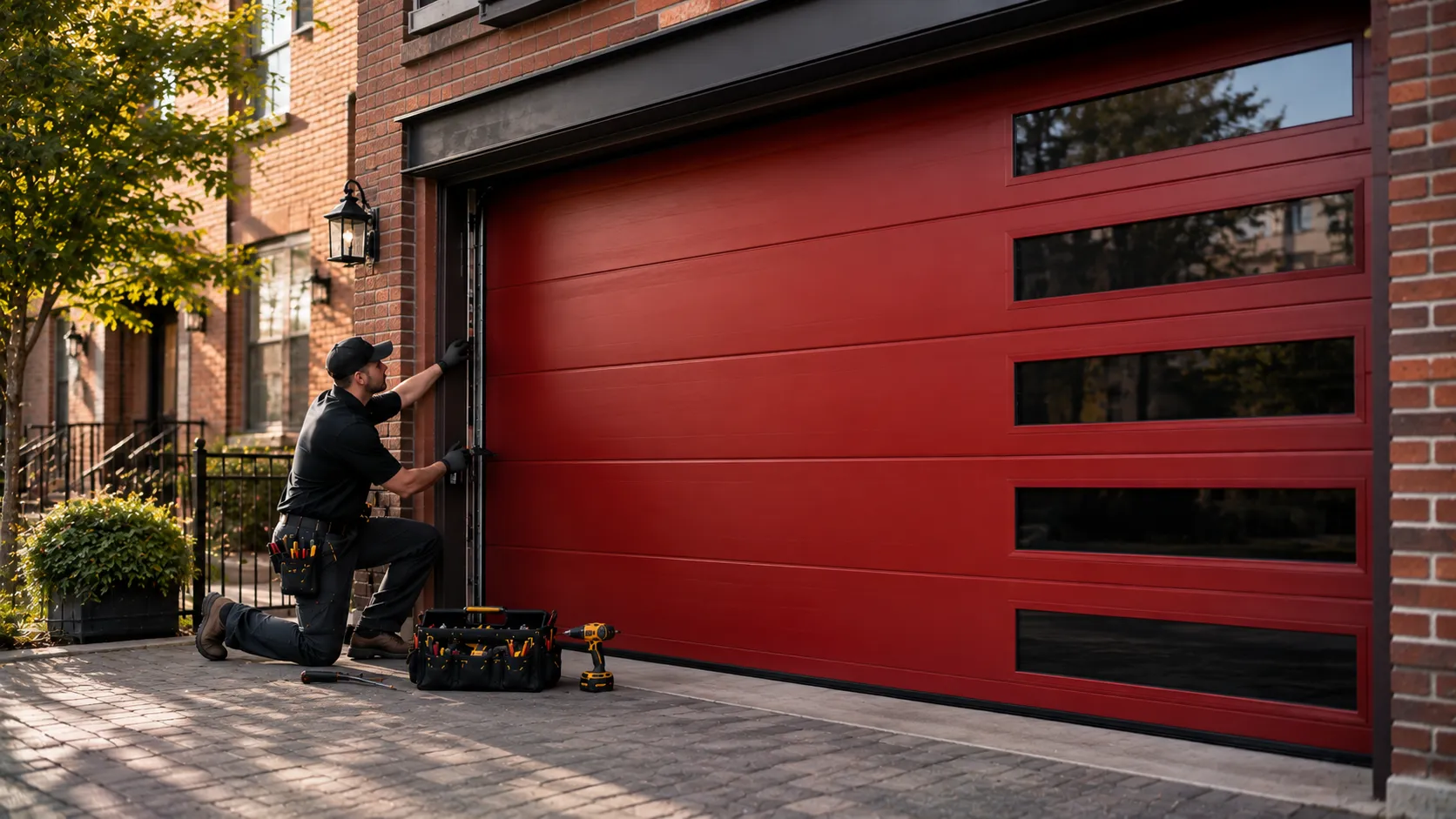
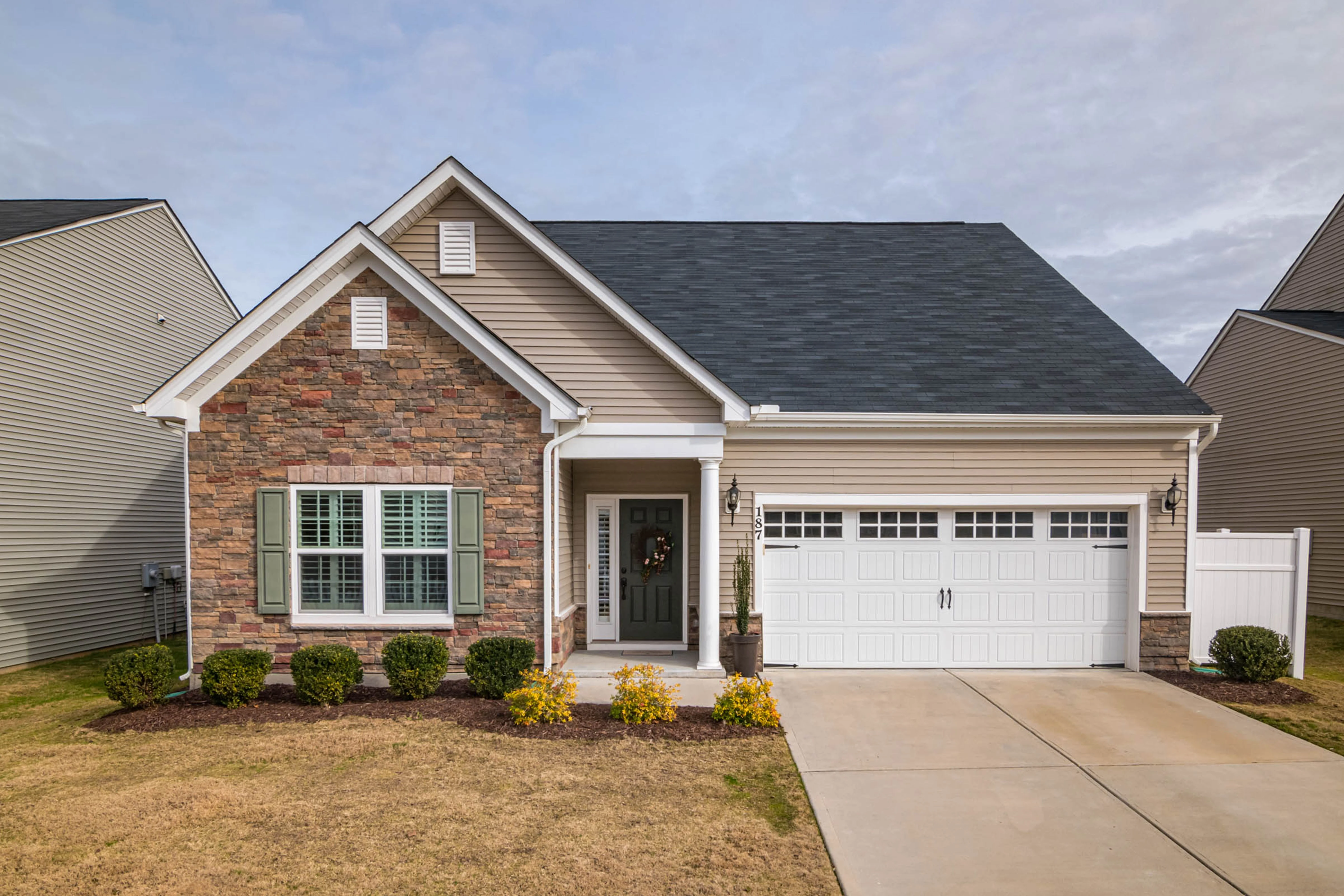
Not every noise means a truck needs to show up today. A door that groans on the way up but still closes flush isn't an emergency - it's a lubrication job you can push a week or two if money's tight. Most houses in this area went up between 1956 and 1979, median right around 1970, so a lot of the doors and openers we see are original or one replacement removed from original. On that vintage of hardware, a slow start or a squeaky roller is often just age catching up, not a spring about to let go.
What can't wait: a door that's stuck halfway, a cable visibly frayed or off the drum, or a door that slams down instead of gliding. Those are the calls where waiting turns a $150 fix into a $500 one. If your door still opens and closes on its own power and the sound is new but consistent, it's fair to book a normal appointment instead of an emergency slot.
The area
How Local Conditions Play In
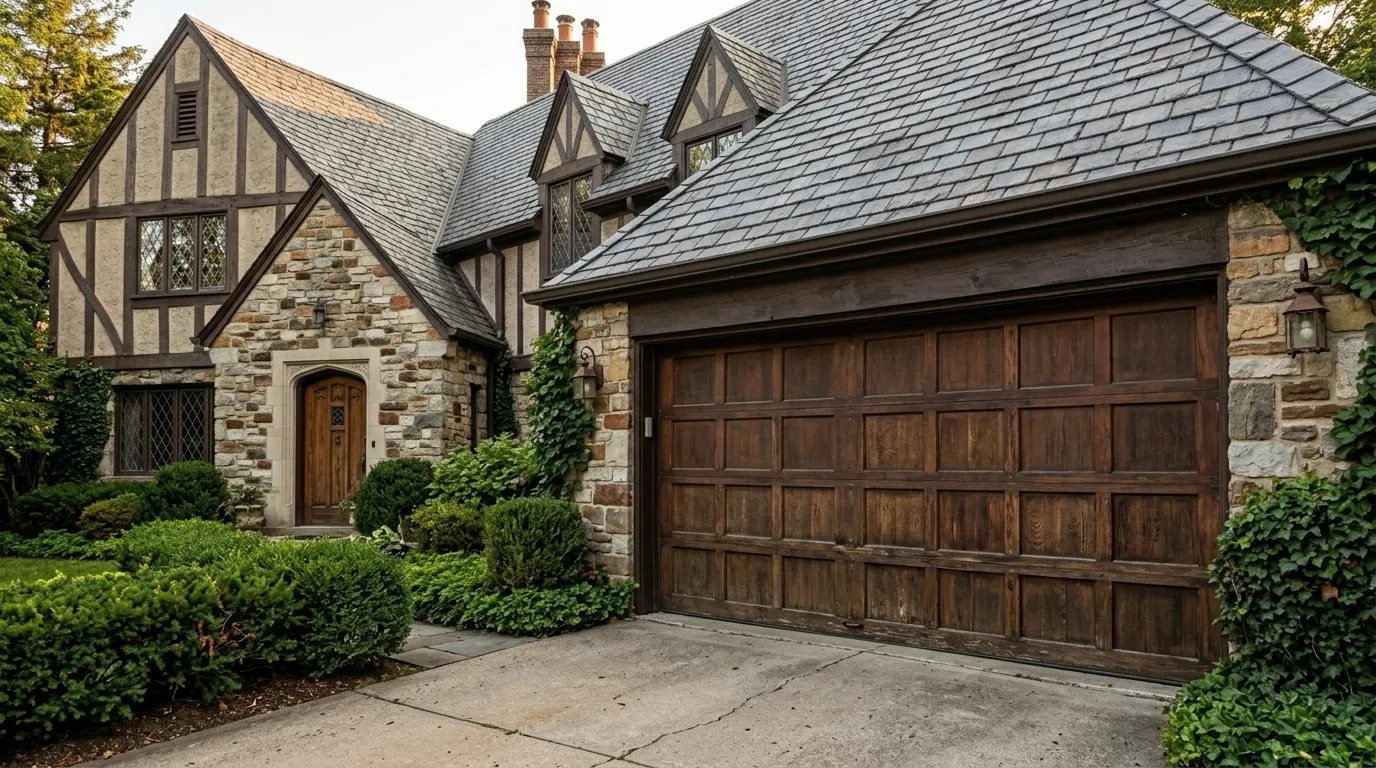
This is a cold-climate area, and the severity matters more than people think. Steel doors and springs contract in hard cold, which means torsion springs lose a bit of tension and openers have to work harder to lift the same door they lifted fine in July. On homes built in the 1960s and 70s - which is most of what's out there across the six main neighborhoods we work - insulation in the door panel itself is often minimal or none, so the garage becomes a direct pass-through for outside cold into an attached mudroom or laundry.
That temperature swing is also why nylon rollers crack sooner here than in a mild climate, and why we see more broken springs in the coldest stretch of winter than any other time of year. A service call in January is checking different things than one in July: spring tension, cold-weather lubricant, and whether the opener's force settings have drifted enough to slam the door instead of easing it down.
What we find
Where People Go Wrong
The biggest mistake we see on 1960s and 70s stock is treating the opener as the problem when the door itself is the problem. A door that's out of balance - heavier on one side, dragging on a bent track - will burn out openers over and over, and swapping the opener without fixing the balance just buys a few more months before the new one fails too. With median household income here around $53,046, we get it: people want the cheaper fix first.
But on original hardware from this era, the springs and cables have usually never been replaced, and that's the part actually under load. The other common error is ignoring a door that's slightly off its tracks because it still closes. On older doors, tracks were often installed to looser tolerances than today's code calls for, and a door running slightly crooked wears the rollers and the track unevenly until one side gives out.
How we work
What Is Going On
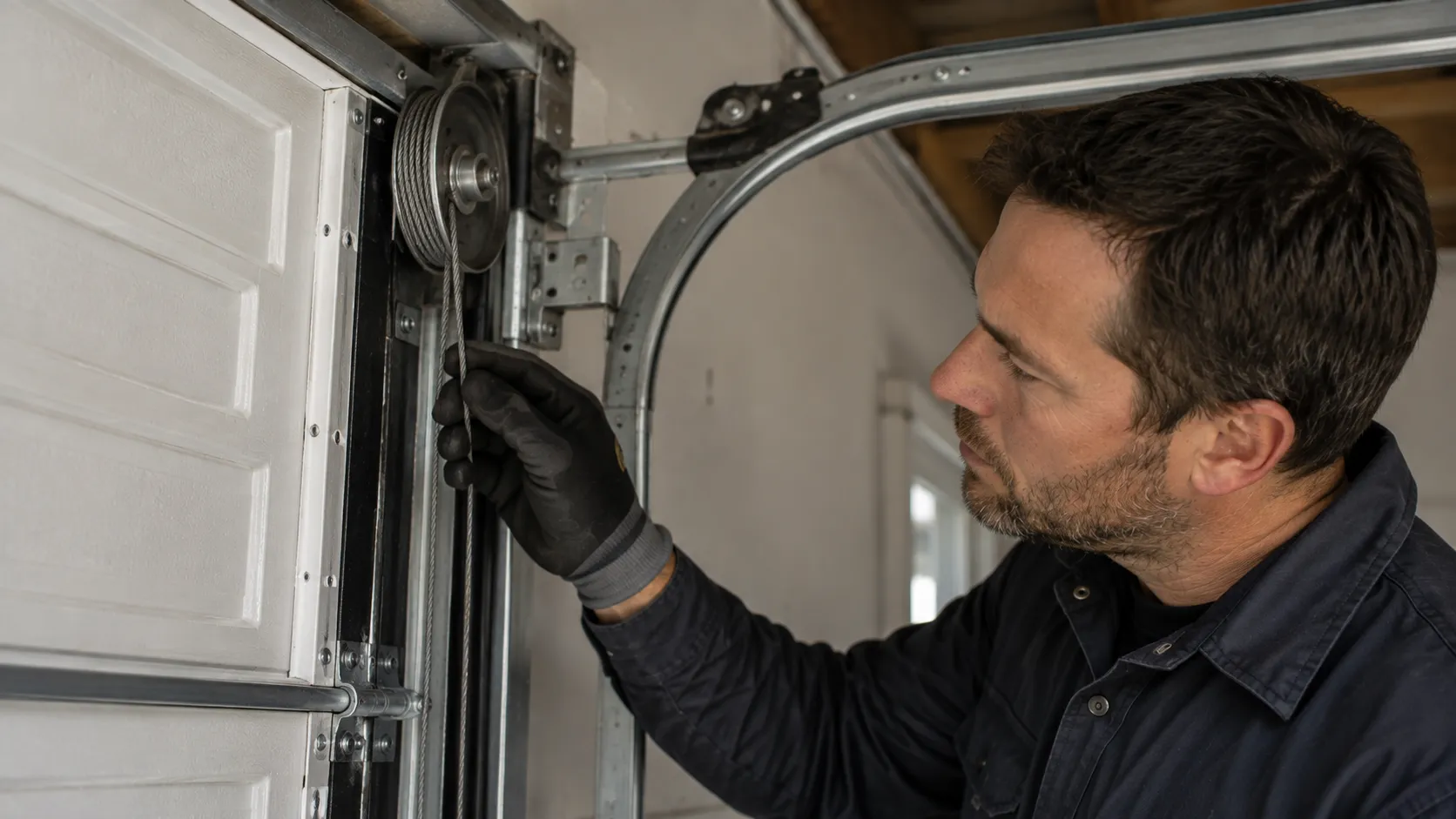
With roughly 8,714 households in the area and about 5,008 owner-occupied houses, we're mostly working on doors that have had at least one owner change and, on the older end, maybe two. A service call starts the same way regardless of the neighborhood - Westwood, Catlettsburg, Russell, Flatwoods, or further out toward Greenup or Grayson: we check spring tension, look at cable wear, run the door through a full cycle watching for binding, and test the auto-reverse safety. What we don't do on that first visit is guess.
If a door built in the 1970s needs a part that isn't a standard stock size anymore, that's a conversation about replacement, not a promise to have it fixed same-day. That's the one honest limit here - some original hardware from this era just isn't available off a shelf, and forcing a repair onto it costs more than starting fresh.
Questions
Common questions
How often should I get my garage door serviced in Ashland?
There's no fact-based interval we can give without seeing the door, but given the age of housing stock here - mostly 1956-1979 - and the cold winters, a yearly check before the coldest stretch catches spring tension and roller wear before they turn into a stuck door.
Why does my door act up more in winter?
Cold contracts steel springs and cables, which changes how much force is needed to lift the door. In a severe cold climate like this one, that shift is bigger than in a mild region, so problems that were minor in fall show up hard in January.
Is my old opener worth fixing or should I replace the door too?
Depends on whether the door itself is balanced and running straight. On 1960s-70s doors we sometimes find the opener's been replacing itself every couple years while the real problem - a dragging track or worn spring - never got fixed.
Ready when you are
Need a garage door sorted in Ashland?
Ashland Garage Door Pros repairs and installs garage doors, springs and openers in Ashland, KY and the surrounding area.